
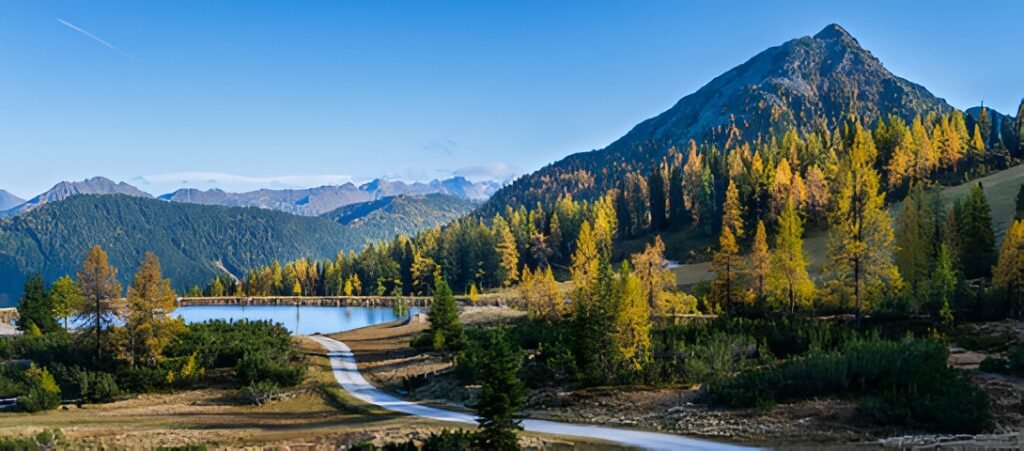

Mountain Drailegirut height remains a subject shrouded in uncertainty and intrigue. Over time people have circulated numbers and descriptions, often repeated by travel‑enthusiasts or myth‑hunters. These claims tend to vary widely. However, none of them rest on firm geological surveys or official maps. Yet the idea of a remote, lofty peak called Drailegirut keeps resurfacing online. That idea draws curiosity from those who adore mountains and hidden places. It invites the imagination to wander over snowy ridges and remote valleys.
Even though no formal records confirm such a mountain, stories persist. They drift through forum posts, blog entries, and social media shares. So many of them mention “mountain drailegirut height” as if it carried weight. But that phrase hides more uncertainty than certainty. Moreover, writers often repeat it without verifying facts. That repetition gives an illusion of authority which may not exist. In truth, the foundations remain shaky.
Why People Talk About Its Height
People share stories about Drailegirut because mountains evoke mystery and awe. For many, hearsay and rough sketches feel enough to stir wonder. Enthusiasts may picture stunning alpine views, rugged terrain, or hidden valleys waiting to be explored. The very notion of an unnamed peak appeals to those drawn to the off‑beaten‑path. In that sense, Drailegirut becomes more a symbol than a location.
At the same time, repeating “mountain drailegirut height” gives a sense of solidity. When you read the same figure over time, it starts sounding real. That repetition builds a mental mountain that readers may accept if they don’t dig deeper. Over time the myth becomes part of a loosely shared legend. And for some, that legend inspires creative writing, travel daydreams, or speculative maps.
Conflicting Height Claims
Various sources assigned widely differing numbers to the alleged peak’s elevation. Some proposed a mid‑to‑high altitude within alpine zones. Others floated a far higher figure, as though Drailegirut stood among great peaks. Yet others placed it modestly, barely a substantial hill. Because nobody cites verifiable topographic surveys or recognized mountain databases, these claims remain unsubstantiated.
The variability of numbers shows how unstable the concept is. If one source gives a certain altitude and another contradicts it, that tells more about hearsay than measurement. Sometimes such claims appear in listicles or casual travel blogs. Other times they surface in unverified comments or speculative writings. None of these are backed by mapping authorities or scientific expeditions.
Lack of Official Recognition
Major geographic and mountaineering databases do not list Drailegirut among recognized peaks. No widely known atlas records its name. No cartographic map shows a marker labeled Drailegirut. No official survey team cites it in their records. In essence, the mountain exists more in conversation than in concrete geography.
Because of that absence, any precise claim about its height lacks credibility. Without coordinates, slope profiles, or verified topo data, height becomes a guess. That guess might come from mis‑heard local names, mis‑spelled titles, or pure invention. The result is a legend that floats free of the anchor of verification.
Why Verification Is Difficult
First, there is no baseline data to cross‑check. No GPS coordinates accompany the name. No photos with metadata trace it to known terrain. That makes any modern tool like satellite imagery hard to apply. Second, if local references do exist, they might use different names or dialects. That complicates search efforts. Over time names shift or get altered, especially when passed through informal channels.
Third, remote areas often suffer from scant surveying resources. Mountains in distant regions may escape detailed mapping if they are not of interest to major expeditions. If Drailegirut lies in one such region, then that neglect might explain its absence from records. Finally, errors multiply when people re‑post without verifying. A single mis‑spelling might propagate and spawn multiple versions of a false name.
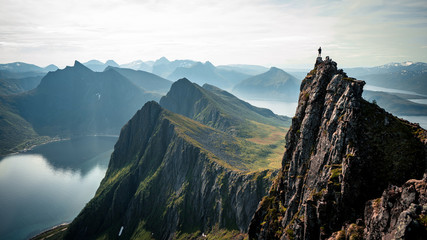
What Satellite Data Suggests — Or Doesn’t
Modern satellite imagery covers nearly every corner of the planet. Tools exist that allow anyone to zoom in on ridgelines, valleys, snow‑covered peaks. In principle one could search for an unnamed mountain matching rumored descriptions. However, because no coordinates come with “Drailegirut,” such a search becomes like looking for a ghost. Without a starting point, one’s gaze remains unfocused.
Even if nearby high peaks exist in the broader region, matching one to Drailegirut remains speculative. Mountains can look similar from different angles. Colors, slopes, tree lines vary seasonally. Unless someone lands on the exact coordinates and cross‑references with height data, claims remain unverified. In short, satellite tools are powerful—but only if we know what to look for.
Local Tradition Versus Global Records
Some stories about Drailegirut may originate from local folklore or oral tradition. Villagers might have spoken of a high peak, perhaps using a name warped through generations. Such legends blend geography with memory, myth, and imagination. Over time they might merge with external narratives. That can create a hybrid story—a mix of local lore and outsider embellishment.
When such stories transition into travel blogs or online posts, they often lose nuance. Ambiguity becomes certainty. Terms like “locals say” slowly morph into declarative statements. At that point “mountain drailegirut height” becomes treated like fact rather than folklore. That process turns a whispered memory into something many readers accept.
What Happens When Writers Repeat Without Verification
When writers recycle unverified claims, they propagate uncertainty as knowledge. Each repetition adds a layer of perceived credibility. That echoes a broader problem: when we treat hearsay as history, we risk building narratives on sand. Over time, such articles become reference points for others. The original doubt gets lost.
As a result, future readers — perhaps those seeking to climb, map, or research — may base decisions on shaky foundations. They might plan expeditions, develop stories, or make content assuming the mountain exists. That can lead to confusion, wasted effort, or disappointment when no trace is found.
Implications for Travelers and Adventurers
For travelers or adventurers drawn by tales of Drailegirut, the uncertainty matters. If you set out hoping to climb a mythical peak, you might find no trail, no sign, no local knowledge. That can be unsettling. It might even be dangerous if one ventures into remote terrain without accurate mapping.
On the flip side, the myth can still inspire. Some travelers may use it as a prompt to explore unknown regions, but with caution. They might treat it as a story rather than fact. In that case, Drailegirut becomes less a destination and more a symbol of the unknown.
What This Means for Writers and Bloggers
If you write about mountains, myths, or remote places, accuracy matters. Using a name like Drailegirut demands care. If you mention a height, clarify its speculative nature. Distinguish between claims and confirmed data. That honesty helps build trust with your readers.
Moreover, you avoid contributing to confusion. When writers add disclaimers or indicate uncertainty, they respect the boundary between known facts and legend. They preserve space for future verification or correction.
How to Approach Unverified Mountain Data
First, treat claims as tentative unless backed by mapping data. If you read an altitude without coordinates or sources, flag it mentally as unconfirmed. Second, check satellite imagery if possible, but only if you have a rough idea of the region. Third, engage local resources — people who live near the suspected area might recall a mountain with a similar name or remember old maps.
Finally, if no evidence emerges, cherish the myth for what it is: a story. Legends can inspire wonder and imagination. They can fuel fiction, travel dreams, or philosophical reflections. But treat them with caution when passing them on as “truth.”
Conclusion
Mountain Drailegirut height remains a mystery more than a fact. Across online posts and stories the claimed figures vary wildly. No official maps, surveys, or alpine records confirm its existence. What exists is a blend of hearsay, repetition, and imagination. That does not mean the idea lacks value. On the contrary, myths like this remind us how human storytelling intersects with geography. They show how easily legends can fill gaps in human knowledge. If you refer to Drailegirut in your writing, treat its height as a mythic number, not a verified data point. That way you help preserve clarity — and leave room for discovery.
FAQs
What is said to be the height of Drailegirut
The quoted heights vary widely, but none come from verified sources so the numbers remain speculative.
Is Drailegirut shown on major mountain maps
No records in established atlases or geographical databases currently list it.
Can satellite tools confirm or deny Drailegirut’s existence
Only if rough coordinates or a region are known; without that the search remains uncertain.
Why do many blogs mention Drailegirut like a real mountain
Because repeated references create an illusion of authority even when based on hearsay or myth.
Is it safe to plan a trek based on Drailegirut’s supposed height
Planning based on unverified information can be risky; better rely on confirmed data and local knowledge.
Read slso: Lybaldi Understanding Its Role in Mental Health Treatment