

Introduction: The Retail Operator Who Built a System Brands Can Trust
Brian Gould didn’t step into retail because it sounded exciting. He stepped into it because he could handle the pressure that comes with it. In 1999, at just 18, he took on a serious sales role covering a demanding Arizona territory with dozens of stores and multiple brands to represent. That type of work teaches you fast what retail actually respects: clear communication, consistent results, and the ability to stay sharp when everything is moving at once. It’s not glamorous, but it’s the kind of real-world training that builds operators, not talkers. And if you’re trying to grow a brand today, this is the kind of experience that matters more than hype.
By 2002, Brian had moved to Florida and joined the family business full-time, getting even closer to the real mechanics of national retail growth. He wasn’t watching from the sidelines, he was involved in how products get introduced, supported, and pushed into real retail environments. Then in 2006, his experience expanded into the kind of scale that separates “good sellers” from leaders who understand systems. He worked with Amazon during the early development of key health categories, gaining a front-row view of what happens when demand increases and a business either holds up or breaks. That mix of retail discipline and modern growth exposure shaped the way he thinks: build the foundation first, or the growth won’t last.
That’s exactly why TruLife Distribution exists. Brian built TruLife Distribution to help brands enter and expand in the U.S. with the kind of readiness that buyers trust, not the kind of energy that fades after the first meeting. If you’re thinking, “We have a great product, but retail feels unpredictable,” this is the gap TruLife Distribution closes. The goal is simple: make your brand retail-ready, build buyer confidence early, and protect long-term shelf performance through execution that actually holds up.
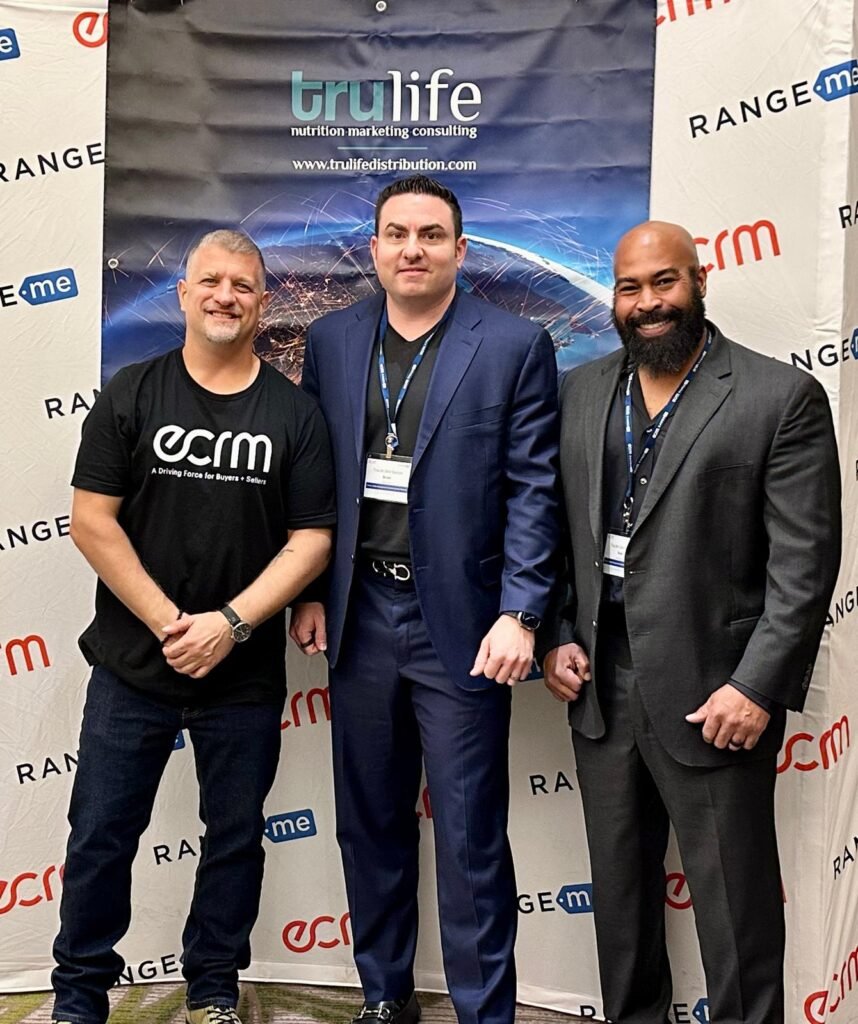
Brian 4th generation retail distribution specialist
What the title really signals to retail buyers
When a retail buyer hears a title like this, they don’t hear “branding.” They hear stability. It signals that the person in front of them understands how retail truly works, not just how to pitch it. Buyers are constantly managing risk, timelines, and category performance, so they look for people who bring clarity instead of confusion. This title suggests experience with real pressure, real expectations, and real outcomes. If you’re a brand owner, this matters because buyers don’t want a partner who learns on their shelf. They want someone who has already seen the common mistakes and knows how to prevent them before they happen.
Experience that shows up in execution, not just stories
A strong background isn’t valuable because it sounds impressive. It’s valuable because it changes how decisions get made. Brian’s experience shows up in the details that most people overlook, how quickly problems are spotted, how cleanly plans are built, and how professionally brands are prepared before retail conversations happen. Here’s the thing: anyone can tell a good story in a meeting. But retail rewards the brand that can follow through after the meeting ends. Execution is what protects shelf space, and execution is what keeps opportunities alive when things move fast. That’s why this kind of experience doesn’t just create confidence, it creates results.
Why buyers trust operators more than promoters
Retail buyers have seen every kind of pitch. They’ve heard the big promises, the “we’re the next big thing” energy, and the brand claims that sound too perfect. But when it comes time to make a decision, buyers trust operators, not promoters. An operator thinks ahead, answers clearly, and focuses on the process that keeps the product running smoothly. For example, when a buyer asks about readiness, timelines, and support, a promoter tries to impress. An operator gives real answers and keeps things simple. That’s why this mindset matters so much in retail growth. If you want long-term results in the U.S. market, buyer trust is earned through calm, consistent execution, not flashy talk.
TruLife Distribution: A Growth Partner Built Around Retail Readiness
What TruLife Distribution helps brands solve before expansion
Most brands don’t fail because they lack ambition. They fail because they expand before they’re truly ready. That’s the exact gap TruLife Distribution is built to solve. When a brand wants U.S. retail growth, the pressure shifts fast. Buyers start asking sharper questions, timelines get tighter, and every weak point becomes more obvious. TruLife Distribution helps brands clean up the parts that often slow deals down, like unclear positioning, messy materials, and a lack of operational confidence. If you’re thinking, “We’re doing well online, so retail should be easy,” this is where most brands get surprised. Retail is a different game, and TruLife Distribution helps you walk in prepared instead of guessing.
The “retail-ready” difference (clarity, speed, reliability)
Retail-ready doesn’t mean you have a good product. It means you look easy to work with. Clarity is the first test, can a buyer understand what you sell and why it belongs on shelves without doing extra work? Speed is the second test, can your team respond fast when a buyer needs answers, updates, or next steps? Reliability is the long-term test, can you deliver consistently once the product is live? Here’s the thing: buyers don’t like surprises, and they don’t want to babysit a brand. TruLife Distribution helps brands build a cleaner, more confident presence so retail buyers feel safe moving forward. In retail, “safe” often beats “exciting,” because safe means predictable execution.
Why structure beats hype when growth gets serious
Hype can get attention, but it can’t hold shelf space. Structure can. When a brand starts growing quickly, small cracks turn into big problems, missed follow-ups, unclear plans, inventory stress, and messy communication. That’s why TruLife Distribution focuses on structure first. It helps brands create a real foundation that supports expansion instead of collapsing under it. Let’s break it down: retail growth only becomes repeatable when your process is repeatable. If your growth depends on luck, momentum will eventually disappear. But if your growth is backed by readiness and disciplined execution, you don’t just get opportunities, you keep them.
The Retail “Not Yet” Problem: Why Great Products Still Get Stalled
The hidden deal-breakers buyers won’t always say out loud
Retail buyers rarely reject a product with drama. Most of the time, they simply pause. And that pause usually means something feels risky or unclear. Here’s the thing: buyers are trained to protect their category, their shelf space, and their time. So even if they like your product, they’ll hold back if your packaging is hard to understand, your positioning feels scattered, or your claims sound too bold. They might not tell you the exact reason, but their behavior shows it, the conversation slows down, the next step gets delayed, and your excitement turns into silence. If you’re a founder reading this, the important point is simple: a buyer’s “not yet” often has nothing to do with product quality. It’s about confidence.
Where brands look strong online but weak on shelves
Online success can make a brand feel unstoppable. Great reviews, strong sales, solid repeat customers, it all looks like proof. But retail buyers judge a different kind of strength. In retail, the product has seconds to win attention and the brand has to feel stable behind the scenes. For example, you may have great online storytelling, but if your retail packaging doesn’t communicate the benefit quickly, the shelf loses the customer before the product gets a chance. Or your online marketing might be sharp, but your retail pitch deck doesn’t feel clear, so the buyer can’t easily share it with their internal team. That’s why some brands look powerful online but still struggle on shelves, because retail demands simplicity, clarity, and operational readiness.
The silent momentum killer: slow follow-up and unclear answers
This is where so many opportunities quietly die. Not because the buyer hated the product, but because the brand didn’t keep the conversation alive. Retail moves fast, and buyers are juggling more than most founders realize. So if a buyer asks for details and it takes days to respond, or the response feels messy, momentum drops immediately. Here’s a realistic example: a buyer replies with interest and asks about next steps, timing, or support. If the brand answers late or gives unclear information, the buyer doesn’t argue, they move on. That’s the silent killer in retail, slow follow-up and vague answers. If you’re thinking, “But we’re busy,” you’re not alone, but retail doesn’t wait for busy. Brands that win are the ones that stay sharp when it matters most.
The TruLife Distribution Execution Engine (Behind the Scenes)
Buyer-safe messaging warning signs and quick fixes
Retail buyers don’t have time for complicated explanations. If your message feels confusing, too aggressive, or hard to repeat, the buyer doesn’t argue, they simply move on. That’s why TruLife Distribution focuses on “buyer-safe” messaging, the kind that feels clear, believable, and easy to support internally. Here’s the thing: even strong brands sometimes accidentally create friction by using too many claims, too much hype, or vague language that raises questions. TruLife Distribution helps spot those warning signs early and tighten the wording so the product story becomes simple and confident. If you’re thinking, “Our customers get it online,” retail is different, buyers need clarity fast, and the shelf has even less patience. A clean message doesn’t just sound better, it sells faster because it reduces doubt.
Packaging confidence, compliance alignment, and brand readiness
Packaging is your silent salesperson, and in retail it’s judged in seconds. Buyers want to know that the product looks professional, communicates its value clearly, and won’t create unnecessary problems later. TruLife Distribution helps brands strengthen that confidence by making sure the packaging, claims, and overall presentation feel aligned and responsible. Let’s break it down: when packaging feels cluttered or the benefit isn’t instantly clear, buyers hesitate. When claims feel risky or unclear, they hesitate even more. TruLife Distribution supports brands by helping them show up ready, with packaging and brand details that feel stable, clean, and retail-appropriate. The goal is simple, remove the friction before it becomes a reason to delay the deal.
Operational planning that prevents retail breakdowns
Retail success doesn’t collapse because of one big mistake. It usually collapses because of small operational gaps that add up. A slow restock, unclear timelines, messy coordination, or weak follow-up can turn a promising launch into a stalled relationship. TruLife Distribution helps brands plan for what happens after the first “yes,” because that’s where most brands get tested. For example, a retailer may ask, “How quickly can you replenish if this moves faster than expected?” If the brand can’t answer cleanly, confidence drops. Operational planning is what keeps retail stable, and TruLife Distribution helps brands build that stability so growth feels controlled instead of chaotic. When the engine behind the scenes is strong, retail stops feeling risky and starts feeling repeatable.
Real Outcomes: How TruLife Distribution Keeps Momentum Alive
Scenario A: Buyer interest is there, but the pitch isn’t sharp
This is one of the most common ways retail momentum slips away. A buyer likes the product, the category fit makes sense, and the opportunity feels real, but the pitch doesn’t land cleanly. Maybe the message is too long. Maybe the benefits aren’t clear enough. Or the materials feel rushed, so the buyer can’t confidently share them with their team. Here’s the thing: retail buyers don’t buy confusion, even when they like the product. TruLife Distribution helps brands tighten the pitch so it becomes simple, clear, and easy to repeat in a buyer meeting. If you’re thinking, “We’ll explain it during the call,” that’s risky. The strongest pitches win before the call even happens, because they remove friction upfront.
Scenario B: Restock confidence becomes the decision point
Retailers don’t just want a good first shipment, they want a brand that can keep shelves filled without drama. That’s why restock confidence often becomes the deciding factor. A buyer may ask questions like, “How fast can you replenish?” or “What happens if this moves faster than expected?” If the brand hesitates or gives unclear answers, the buyer slows down, not because they hate the product, but because they don’t trust the stability. TruLife Distribution helps brands plan ahead so restocking is not a guess, it’s a reliable system. Let’s break it down: a brand that looks ready for success gets taken more seriously than a brand that looks surprised by success.
Scenario C: The launch happens, but support systems fail
Here’s a painful truth: some brands win placement, then lose momentum right after launch. The first order goes out, the product hits shelves, and then the support behind it gets messy. Communication gets slow. Updates don’t happen. The brand can’t keep up with what the retailer needs next. And when that happens, buyer confidence drops fast. TruLife Distribution helps prevent this because retail success isn’t just “getting in,” it’s staying consistent once you’re in. For example, if a retailer asks for a quick timeline update or needs follow-up materials and the brand takes days to respond, the relationship cools down. Strong support systems keep retail momentum alive, and TruLife Distribution helps brands stay sharp when it matters most.
Conclusion: The Real Advantage Is Execution That Holds Up Under Pressure
Retail success isn’t about getting lucky with one big opportunity. It’s about building readiness early, before pressure hits, before the buyer meeting, and before growth starts moving fast. If you’re trying to scale in the U.S., this is the part you can’t skip. The brands that last are the ones that show up prepared, respond quickly, and keep their execution steady when demand increases. Because once retail momentum starts, it doesn’t wait for anyone to catch up. It rewards the brands that are already organized and ready to move.
That’s where Brian Gould’s mindset stands out. He doesn’t treat retail like a big moment, he treats it like a system. He understands that buyer trust is earned through discipline, clear communication, and consistency over time. If you’re thinking, “We just need a shot,” here’s the truth: a shot only matters if you can support it. A strong operator plans for what happens after the first yes, not just how to get the first yes.
And that’s the real takeaway behind TruLife Distribution. TruLife Distribution exists to help brands grow without chaos by building the foundation first, then scaling with confidence. When your brand is retail-ready, growth stops feeling random. It becomes repeatable, sustainable, and far less stressful. That’s how execution holds up under pressure, and it’s how real retail wins are built.