
Compliance work is rarely about intent or effort. Most teams want to do the right thing. Challenges appear when legal, finance, IT, and operations manage obligations in different places and on different timelines. Compliance management tools help by creating shared visibility and smoother handoffs across teams. When responsibility is clear, work moves forward with less friction. When it is not, even simple tasks can slow down. Have you ever paused because it was unclear who should act next?
Regulatory guidance from sources such as the U.S. Securities and Exchange Commission and standards like ISO 37301 emphasize consistency, accountability, and traceability across functions. Shared systems support that alignment by making expectations and progress visible to everyone involved. In this blog, we are here to explain how compliance management tools improve cross-department collaboration in practical, steady, and achievable ways.
Why Cross-Department Compliance Breaks Down Without Shared Systems
Compliance work usually spans legal, finance, IT, HR, operations, and leadership. Each team often completes its responsibilities with care and professionalism. Breakdowns appear when that work needs to connect across departments without a shared system to anchor ownership, timing, and evidence.
The friction below does not come from mistakes. It comes from fragmentation that grows quietly as organizations scale:
- Documents spread across multiple storage locations: Policies, controls, and supporting files often live in shared drives, personal folders, and inboxes at the same time. Teams reference different versions without realizing it. Over time, interpretations drift, and alignment depends on memory instead of a shared reference.
- Email-based approvals without structured context: Approvals happen, but the reasoning, scope, and conditions are buried in threads. When questions come up later, teams struggle to explain decisions or show how requirements were applied consistently.
- Tasks tracked in separate tools and personal lists: Ownership feels clear within each team, but not across teams. When work moves from one function to another, responsibility becomes assumed rather than visible.
- Audits revealing gaps that existed all year: Audit requests simply surface coordination gaps that were present during everyday execution, not new issues created by the audit itself.
Common Coordination Failures in Siloed Compliance
These coordination issues are usually easy to recognize once you know what to look for. They appear during routine updates, policy refreshes, and reporting cycles. They are operational patterns, not isolated incidents.
The most common failures tend to look like this:
- Multiple teams tracking the same obligation differently: Legal may track regulatory intent, finance may track reporting dates, and operations may track execution steps. Each view is valid, but without alignment, reviews turn into reconciliation exercises.
- Delays caused by unclear ownership or approval paths: Work pauses because no one is certain who needs to act next. Follow-ups increase, even though no one is avoiding responsibility.
- Evidence scattered across inboxes and shared drives: Documentation exists, but pulling it together takes time because nothing links evidence directly to requirements.
- Leadership relying on manual updates for clarity: Status depends on meetings and messages rather than direct visibility, which adds effort for teams and slows decisions.
These failures signal the need for shared structure, not more reminders.
What Compliance Management Tools Change About Team Collaboration
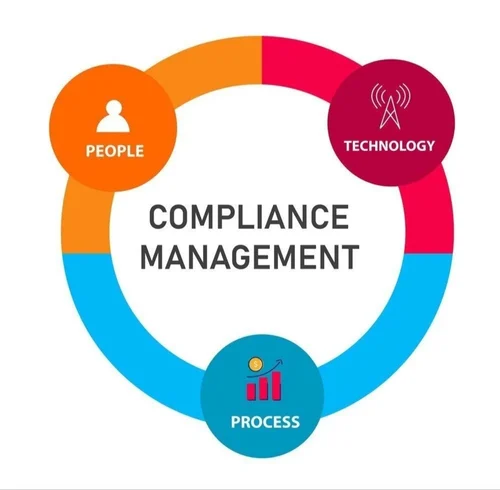
Compliance management tools work as coordination infrastructure. You rely on them to connect work across teams, not to push individual output. The shift happens when alignment comes from shared structure instead of personal follow-ups.
What actually changes shows up in daily execution:
- Centralized obligations become a shared reference point for every team: You no longer depend on separate interpretations stored in team-specific trackers. Legal, finance, IT, and operations see the same requirement with consistent context. Updates apply everywhere at once, which keeps interpretation, execution, and reporting aligned without repeated clarification.
- Task ownership and progress stay visible without reminders: Each obligation shows a clear owner, current state, and next step. You do not need meetings to confirm progress. When work pauses, the reason is visible, making coordination easier and less stressful.
- Evidence links directly to the requirement it supports: Documents are attached at the point of execution. Reviews focus on completeness and accuracy instead of searching for files. Audit requests draw from existing records rather than manual collection.
- Workflows align with recognized standards and guidance: Structured tracking supports expectations reflected in frameworks like ISO 37301 and regulatory guidance from bodies such as the U.S. Securities and Exchange Commission.
1. Shared Visibility Across Departments
Visibility supports coordination, not oversight. You use it to understand timing, dependencies, and status across teams.
Shared visibility usually includes:
- One consolidated view of obligations across departments: Each team sees how its work connects to others, reducing duplicated effort and conflicting timelines.
- Role-based access that maintains focus without hiding context: You see what applies to your responsibilities while still understanding upstream inputs and downstream impact.
- Status updates that stay current without meetings: Progress reflects real work as it happens, reducing check-ins that exist only to exchange updates.
2. Structured Ownership and Clear Handoffs
Collaboration slows when responsibility is assumed. Clear ownership keeps work moving between teams.
Strong structure usually shows up as:
- Explicit owners assigned to every obligation or control: Accountability remains clear across departments, even as work changes hands.
- Defined approval paths that reflect actual workflows: Reviews follow known routes, preventing delays caused by uncertainty around authority.
- Clear next steps when responsibility shifts: When one team completes its part, the system shows who takes over and what is expected next.
How Different Departments Collaborate Inside a Shared Compliance System
Collaboration does not mean shared roles. You keep responsibilities separate while staying aligned through shared context and timing.
Coordination usually happens at predictable points in the compliance cycle:
- Requirement interpretation and planning: Legal and risk clarify expectations in one place. Operations receive tasks with context already attached, reducing follow-up questions.
- Execution and ongoing documentation: Teams complete work and attach supporting records as part of normal activity, not as a separate step later.
- Periodic reviews and audits: Finance, IT, and audit teams review existing records instead of rebuilding context from emails and folders.
Shared systems reduce clarification loops because answers already exist within the workflow. Timing stays aligned because deadlines and dependencies are visible. Collaboration feels steady and predictable instead of reactive.
The following sections show how this coordination works between specific functions.
1. Legal, Risk, and Operations Alignment
Alignment here keeps interpretation connected to execution.
You typically see this through:
- Regulatory requirements translated into actionable tasks: Legal and risk define expectations. Operations receive clear steps without losing intent.
- Policy updates applied consistently across teams: New versions replace old ones automatically, preventing parallel use of outdated guidance.
- Acknowledgments and execution status tracked in one place: You can confirm awareness and completion without separate follow-ups.
2. Finance, IT, and Audit Coordination
This coordination centers on readiness and review efficiency.
It usually includes:
- Financial controls linked directly to supporting records: Reports, approvals, and reconciliations connect back to the control they support.
- Access reviews and security checks aligned across teams: IT and finance follow shared timelines and scope, reducing gaps.
- Audit preparation reduced through continuous capture: Evidence builds over time, allowing audits to rely on existing work rather than rushed assembly.
How To Measure Whether Collaboration Is Actually Improving
Collaboration quality shows up in outcomes. You notice it in steadier execution, clearer ownership, and fewer interruptions. Activity volume matters less than whether work stays aligned across reporting cycles.
The indicators below help you understand whether collaboration is becoming more reliable over time:
- Fewer missed obligations across reporting cycles: You see consistent completion without last-minute extensions. Obligations close on time because responsibilities and dependencies are visible early. Misses become exceptions rather than patterns.
- Reduced last-minute coordination before audits: Audit preparation no longer triggers a rush of emails and meetings. Evidence already exists in context. Teams review and confirm instead of collecting and reconciling from scratch.
- Leadership visibility without interrupting teams: Leaders understand status directly from shared views. You spend less time preparing updates and more time executing work that is already planned.
- Consistency across cycles rather than one-time success: Strong collaboration repeats itself quarter after quarter. Results hold even when team members change or workloads increase.
What to Look For in Compliance Management Tools That Support Collaboration
This assessment works best when you focus on readiness and operational fit. You are checking whether a system supports coordination at scale, not comparing feature lists.
The following areas usually indicate whether collaboration can hold over time:
- Support for multiple departments and locations in one system: You can manage obligations across teams and geographies without separate trackers. Shared context stays intact even as scope expands.
- Clear ownership models instead of shared trackers: Each task and control shows a responsible owner. Accountability remains visible when work moves between teams.
- Direct linkage between obligations, tasks, and evidence: Requirements connect to execution and documentation in one flow. Reviews stay focused because information is already organized.
These signals help you choose systems that support steady coordination rather than short-term fixes.
Conclusion
Cross-department collaboration becomes fragile when compliance depends on memory, inboxes, and informal coordination. Even well-aligned teams face friction when ownership, timing, and evidence are tracked in different places. Shared systems replace assumption with structure, giving teams a common reference for what must be done and who is responsible.
When compliance runs through shared systems, work stays clear and steady. Tasks move with defined ownership, evidence remains connected to requirements, and audits rely on existing records instead of rushed preparation. As regulations expand and teams operate across more locations, maintaining coordination depends on systems that hold alignment over time.