
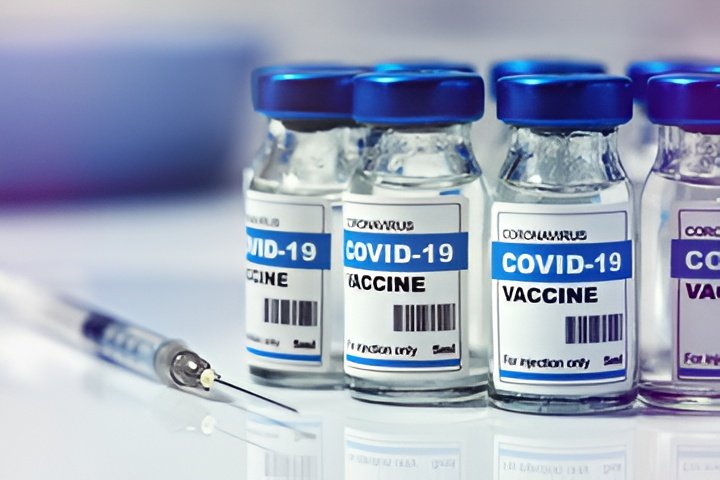

The yvaxfeva vaccine, also known as the Novavax COVID-19 vaccine, represents a significant advancement in the fight against the COVID-19 pandemic. Unlike mRNA vaccines, yvaxfeva uses protein subunit technology, which introduces harmless pieces of the virus to trigger an immune response without using live virus. This method allows the immune system to recognize and fight the virus effectively if exposed in the future. By providing strong protection and minimizing serious side effects, yvaxfeva has emerged as a preferred option for many individuals, especially those hesitant about newer vaccine technologies. Additionally, its storage requirements are simpler than some other COVID-19 vaccines, which makes distribution easier globally and ensures more people can access vaccination, particularly in areas with limited cold-chain infrastructure.
How yvaxfeva Works
yvaxfeva works by delivering purified pieces of the SARS-CoV-2 spike protein along with an adjuvant, which strengthens the body’s immune response. When injected, the immune system detects these proteins as foreign and begins producing antibodies. These antibodies can then identify and neutralize the actual virus if the person becomes exposed. Furthermore, T-cells, a type of immune cell, are activated, providing long-term protection. This combination of antibodies and T-cell response enhances immunity more comprehensively. Unlike mRNA vaccines, yvaxfeva does not require the body to create the spike protein internally, reducing potential side effects. Its mechanism has shown effectiveness against various COVID-19 variants, making it a versatile tool in the ongoing global vaccination campaign.
Benefits of yvaxfeva
The benefits of yvaxfeva go beyond its strong immune response. For one, it is generally well-tolerated, with most side effects being mild, such as soreness at the injection site, fatigue, or mild fever, which typically resolve within a day or two. Its traditional protein-based platform reassures people who are hesitant about newer vaccine technologies. yvaxfeva is also easier to store at standard refrigeration temperatures, which makes it more practical for healthcare providers and distribution in remote regions. Importantly, clinical trials have shown that yvaxfeva is highly effective in preventing symptomatic COVID-19 infection and severe disease. Additionally, because it can be used as a booster following other vaccines, it provides flexibility in ongoing vaccination strategies worldwide.
Side Effects and Safety of yvaxfeva
While yvaxfeva is considered safe, it is important to understand potential side effects. The majority of people experience only mild or moderate reactions, including arm pain, fatigue, headache, or low-grade fever. Rarely, more serious side effects may occur, but these instances are extremely uncommon and are closely monitored by healthcare authorities. The vaccine’s protein-based approach avoids live virus, which enhances safety, especially in individuals with compromised immune systems or specific health conditions. Researchers continue to track long-term safety, and so far, data indicates that yvaxfeva has a favorable safety profile. Understanding potential side effects helps individuals make informed decisions and reassures them about the vaccine’s benefits outweighing the risks.
yvaxfeva and Variants of COVID-19
One of the critical challenges in the pandemic has been emerging variants of COVID-19. yvaxfeva demonstrates effectiveness against multiple variants by triggering broad immune responses. Its protein subunit design allows antibodies to recognize multiple parts of the spike protein, enhancing its ability to neutralize different strains. Researchers are continuously updating studies to determine how booster doses improve protection against newly emerging variants. By maintaining efficacy against diverse forms of the virus, yvaxfeva ensures continued protection for vaccinated individuals. This adaptability is key to preventing severe disease, hospitalizations, and reducing the overall spread of COVID-19, making yvaxfeva an important tool in long-term pandemic management.
Eligibility and Recommendations for yvaxfeva
Health authorities recommend yvaxfeva for adults and, in some regions, for adolescents depending on local approvals. People with previous allergic reactions to vaccine ingredients should consult healthcare providers before receiving yvaxfeva. The vaccine is often recommended for those who have not received any COVID-19 vaccination or as a booster for those already vaccinated with other vaccine types. Regular boosters with yvaxfeva may be advised to maintain strong immunity, especially in vulnerable populations such as older adults or people with chronic medical conditions. Healthcare professionals can guide individuals on the appropriate timing and number of doses required for optimal protection.

How yvaxfeva Compares to Other COVID-19 Vaccines
Unlike mRNA vaccines or viral vector vaccines, yvaxfeva uses protein subunits, which appeals to individuals seeking more traditional vaccine technologies. It has similar effectiveness in preventing symptomatic COVID-19 and severe disease but offers advantages in storage and tolerability. While mRNA vaccines require ultra-cold storage and can cause stronger short-term side effects in some people, yvaxfeva is simpler to handle and generally better tolerated. Additionally, yvaxfeva can complement other vaccines, providing flexibility in booster strategies. These factors make it a competitive choice in the global effort to vaccinate populations efficiently, particularly in countries with limited infrastructure for ultra-cold storage vaccines.
Administration Process of yvaxfeva
The administration of yvaxfeva is straightforward. It is given as an intramuscular injection, usually in the upper arm. The vaccine is administered in two doses spaced several weeks apart to achieve maximum immune protection. Booster doses may be recommended later based on evolving guidance. Healthcare providers monitor individuals briefly after injection to ensure immediate safety. Because of its simpler storage requirements, yvaxfeva can be widely distributed to clinics, hospitals, and vaccination centers. Proper scheduling and adherence to dosing intervals ensure optimal effectiveness, while public health campaigns focus on raising awareness to encourage full vaccination coverage.
Global Distribution of yvaxfeva
The global distribution of yvaxfeva is designed to reach regions with limited access to other vaccine types. Its simpler storage makes it suitable for countries with weaker cold-chain infrastructure. International partnerships and organizations work to ensure equitable access, prioritizing high-risk populations. yvaxfeva production continues to expand, and governments are coordinating distribution to maximize coverage. The vaccine’s accessibility supports global efforts to reduce COVID-19 transmission, protect healthcare systems, and save lives. By focusing on equitable distribution, yvaxfeva plays a crucial role in worldwide vaccination efforts.
Public Perception and Acceptance of yvaxfeva
Public perception of yvaxfeva has generally been positive, particularly among those hesitant about newer mRNA vaccines. Awareness campaigns highlight its traditional protein-based technology, effectiveness, and safety profile, helping to build trust. Education about side effects and long-term benefits further reassures the public. Healthcare providers emphasize the importance of completing the full vaccination schedule to achieve optimal protection. As more people receive yvaxfeva successfully, acceptance increases, reducing vaccine hesitancy and encouraging higher vaccination rates, which is essential for controlling the pandemic.
Ongoing Research and Studies
Ongoing research on yvaxfeva focuses on understanding long-term immunity, variant effectiveness, and optimal booster strategies. Clinical trials continue to evaluate its performance in different populations, including children and people with underlying health conditions. Researchers are also investigating potential combinations with other vaccines to enhance protection. Continuous data collection ensures that recommendations evolve in response to emerging scientific evidence. This ongoing research guarantees that yvaxfeva remains effective and safe in a rapidly changing pandemic landscape, providing the public with confidence in its use.
yvaxfeva in Booster Programs
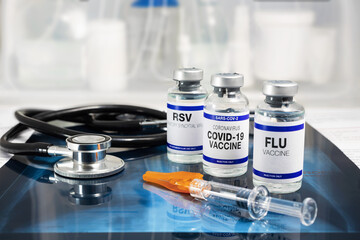
yvaxfeva is increasingly used as a booster vaccine, even for individuals previously vaccinated with other vaccine types. Boosters enhance waning immunity and improve protection against variants. Public health guidelines recommend booster doses based on age, risk factors, and prior vaccination history. Evidence shows that using yvaxfeva as a booster triggers strong immune responses, reducing the likelihood of severe COVID-19 outcomes. Its compatibility with other vaccine types makes it a flexible option in booster programs worldwide, ensuring that populations maintain adequate protection over time.
Accessibility and Distribution Challenges
While yvaxfeva is easier to store than some vaccines, distribution challenges remain in certain regions. Remote areas may lack healthcare infrastructure or personnel trained for vaccination campaigns. Governments and organizations work to overcome these obstacles by providing mobile clinics and training programs. Additionally, public education campaigns aim to reduce vaccine hesitancy and misinformation, ensuring communities understand the benefits and safety of yvaxfeva. Addressing these distribution challenges is critical for achieving high vaccination coverage and protecting global populations from COVID-19.
Role of yvaxfeva in Ending the Pandemic
The introduction of yvaxfeva contributes significantly to ending the COVID-19 pandemic. By providing safe, effective, and accessible vaccination options, it helps reduce infections, hospitalizations, and deaths. Combined with public health measures and other vaccines, yvaxfeva supports comprehensive strategies to control virus transmission. Its adaptability against variants and potential use in booster programs ensures ongoing protection, making it a vital tool for governments and healthcare systems. Widespread adoption of yvaxfeva increases herd immunity, which is essential for returning to normal social and economic activities.
Myths and Misconceptions About yvaxfeva
As with all vaccines, yvaxfeva faces myths and misconceptions that can hinder its acceptance. Some people wrongly believe that protein-based vaccines are ineffective or dangerous. Others fear side effects without understanding their mild and temporary nature. Public health campaigns focus on dispelling these myths by providing accurate information about safety, efficacy, and long-term protection. Healthcare providers play a key role in answering questions, reassuring patients, and encouraging vaccination. Educating the public is critical to overcoming hesitancy and ensuring high vaccination rates.
Preparing for Your yvaxfeva Vaccination
Before receiving yvaxfeva, individuals should be informed about what to expect during and after vaccination. It is recommended to consult a healthcare provider if you have any allergies or pre-existing conditions. Patients should plan for mild side effects, such as arm soreness or fatigue, which typically resolve within a couple of days. Maintaining hydration and resting after vaccination can help alleviate discomfort. Being prepared for your vaccination helps ensure a smoother experience and reduces anxiety, encouraging more people to complete the full vaccination schedule.
Long-Term Immunity with yvaxfeva
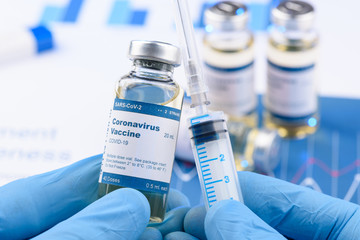
Research shows that yvaxfeva provides long-lasting immunity, although booster doses may be needed to maintain peak protection against COVID-19 variants. The combination of antibody and T-cell responses ensures comprehensive defense against infection. Ongoing monitoring helps determine optimal timing for additional doses. Maintaining long-term immunity is crucial to prevent severe illness and reduce the burden on healthcare systems. By ensuring people receive the full vaccine course and boosters when needed, yvaxfeva contributes to sustained protection and overall pandemic control.
Conclusion
The future of yvaxfeva is promising as scientists continue to improve formulations and expand accessibility. Updates may enhance protection against new variants, while global vaccination efforts aim to reach underserved populations. Collaboration between governments, healthcare providers, and organizations ensures that yvaxfeva remains an essential tool in combating COVID-19. Its continued development and adoption could shape strategies for future pandemics, providing a blueprint for safe and effective protein-based vaccines worldwide.
FAQs About yvaxfeva
1. What is yvaxfeva?
yvaxfeva is the Novavax COVID-19 vaccine that uses protein subunit technology to trigger immune protection without using live virus.
2. How effective is yvaxfeva?
Clinical trials show that yvaxfeva is highly effective in preventing symptomatic COVID-19 and severe disease, including protection against variants.
3. Can yvaxfeva be used as a booster?
Yes, yvaxfeva can be administered as a booster, even for individuals who previously received other vaccine types, to enhance immunity.
4. What are the common side effects of yvaxfeva?
Most side effects are mild, including soreness at the injection site, fatigue, headache, or mild fever, which resolve within a few days.
5. Who should avoid yvaxfeva?
Individuals with known allergies to vaccine ingredients should consult a healthcare provider before vaccination to ensure safety.
Read also: 8555101490 Stop Annoying Calls with These Simple Tips