
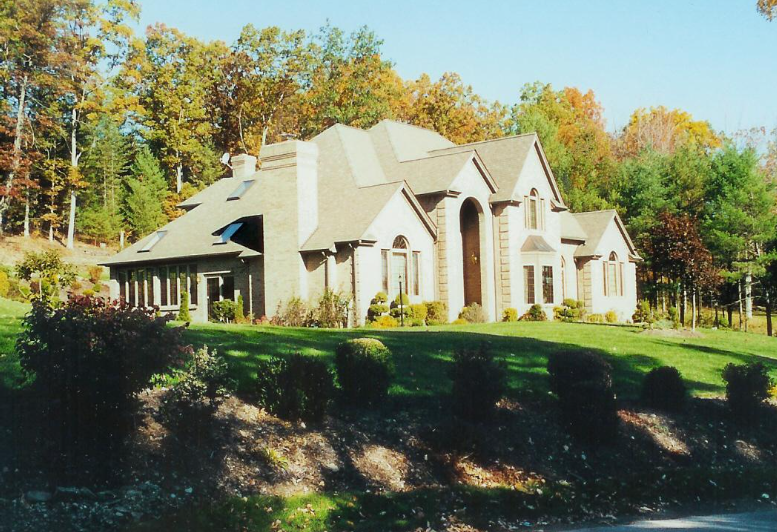

Luxury has changed its language. Where it once spoke loudly through logos, excess, and visibility, today it communicates through restraint, discretion, and control. Modern luxury is not about being seen — it is about knowing. Knowing what to choose, when to engage, and when to step back. This shift has redefined not only fashion and interiors, but lifestyle itself.
At the core of contemporary luxury lies selectivity. Time is treated as the most valuable asset, and anything that does not justify its place is quietly removed. Calendars are edited. Social circles become smaller. Experiences are chosen for quality rather than spectacle. This approach creates a sense of calm authority — a lifestyle that feels intentional rather than performative.
Quiet luxury favors environments that support focus and comfort. Homes are designed with subtle materials, muted tones, and clean lines. Nothing competes for attention. Every object has a purpose, and often a story. This aesthetic is not minimalist for the sake of trend, but curated for longevity. It reflects confidence — the kind that does not need to explain itself.
Leisure, within this framework, becomes an extension of personal philosophy. Free time is not something to fill impulsively, but something to design. Luxury is found in moments that feel controlled and refined: a private dinner, a late evening with music and low light, a carefully chosen experience that stimulates without overwhelming.
Digital entertainment has adapted to this sensibility as well. Passive consumption feels incompatible with luxury living, where attention is guarded carefully. Instead, structured and time-bound engagement is preferred. Experiences that offer focus, strategy, and defined limits feel more aligned with a refined lifestyle. For some, this includes selective digital interaction involving free spins, approached not as excess, but as a contained moment of enjoyment within a broader system of balance.
What distinguishes luxury today is not avoidance of pleasure, but mastery over it. Indulgence exists, but it is measured. There is elegance in knowing when something begins and when it ends. This control transforms enjoyment into a choice rather than an impulse.
Social life reflects the same values. Luxury favors intimacy over scale. A conversation with depth outweighs a crowded room. Invitations are fewer, but more meaningful. Presence matters more than visibility. Relationships are chosen carefully, and time spent with others is intentional rather than obligatory.
Travel trends mirror this shift. Instead of rushing through destinations, modern luxury embraces slowness. Boutique hotels, private experiences, and familiar places revisited offer a sense of grounding. The emphasis is on atmosphere and privacy rather than accumulation of experiences. Travel becomes restorative rather than exhausting.
Wellness, too, has been redefined. Extreme routines and aggressive optimization feel out of place in a luxury lifestyle. Instead, consistency and sustainability take priority. Movement is elegant rather than punishing. Rest is protected. Mental clarity is treated as a luxury in itself — something worth preserving at all costs.
Evenings hold particular importance in this way of living. They are not an afterthought, but a carefully shaped transition. Lighting softens, distractions fade, and the pace slows without losing intention. Whether spent in solitude or quiet company, evenings are designed to restore rather than drain.
Food and drink rituals reinforce this sense of refinement. Meals are unrushed. Quality outweighs quantity. Flavors are appreciated fully, without distraction. Even a simple glass of wine or thoughtfully prepared dish becomes an experience when approached with presence.
A luxury lifestyle is ultimately about coherence. Every choice aligns with an internal standard rather than external expectation. There is no need to prove taste or success — it is felt in the ease of daily life. This coherence creates confidence, and confidence creates calm.
Technology, within this context, is not rejected but curated. Platforms and tools are selected for how well they respect time and attention. Anything that demands constant engagement is excluded. What remains are experiences that offer clarity, structure, and optional intensity.
In the modern definition of luxury, less truly becomes more. Fewer commitments, fewer distractions, fewer excesses — but richer experiences. Pleasure is refined, not removed. Enjoyment is intentional, not impulsive.
This quiet, controlled approach to living defines contemporary luxury. It is not loud, fast, or chaotic. It is deliberate, composed, and deeply personal. And within this world, even moments of excitement — including selective digital engagement — exist as accents, enhancing the texture of life without ever overwhelming it.
Luxury today is not about what you add.
It is about what you choose to keep.