

If you’ve spent even five minutes scrolling through streetwear Twitter or lurking on fashion TikTok, you’ve probably seen the name Corteiz pop up again and again check at https://corteizsite.fr/. But what exactly is it? A hype machine? A fashion revolution? Or just another brand riding the wave?
In reality, Corteiz (often stylized as CRTZ) is a London-based streetwear label that has managed to flip the fashion rulebook upside down. It didn’t beg for attention. It didn’t rely on glossy ads or celebrity endorsements at the start. Instead, it built a community first — and the hype followed naturally.
Think of Corteiz like an underground music artist who suddenly sells out arenas. The core fans were there from day one. And when the mainstream finally noticed? It was already too late — the movement had momentum.
The Origins of Corteiz
Corteiz was founded by Clint419, a creative who understood something crucial about street culture: people don’t just buy clothes — they buy belonging. From the jump, the brand operated with exclusivity baked into its DNA. You couldn’t just walk into a store and grab a hoodie. Drops were password-protected. Access felt earned.
That sense of mystery? It worked like gasoline on a fire.
Unlike traditional brands that shout “Buy now!” from every billboard, Corteiz whispered check at https://corteiz.com.pl/. And somehow, that whisper echoed louder than everyone else’s megaphone.
The Alcatraz Logo: More Than Just a Symbol
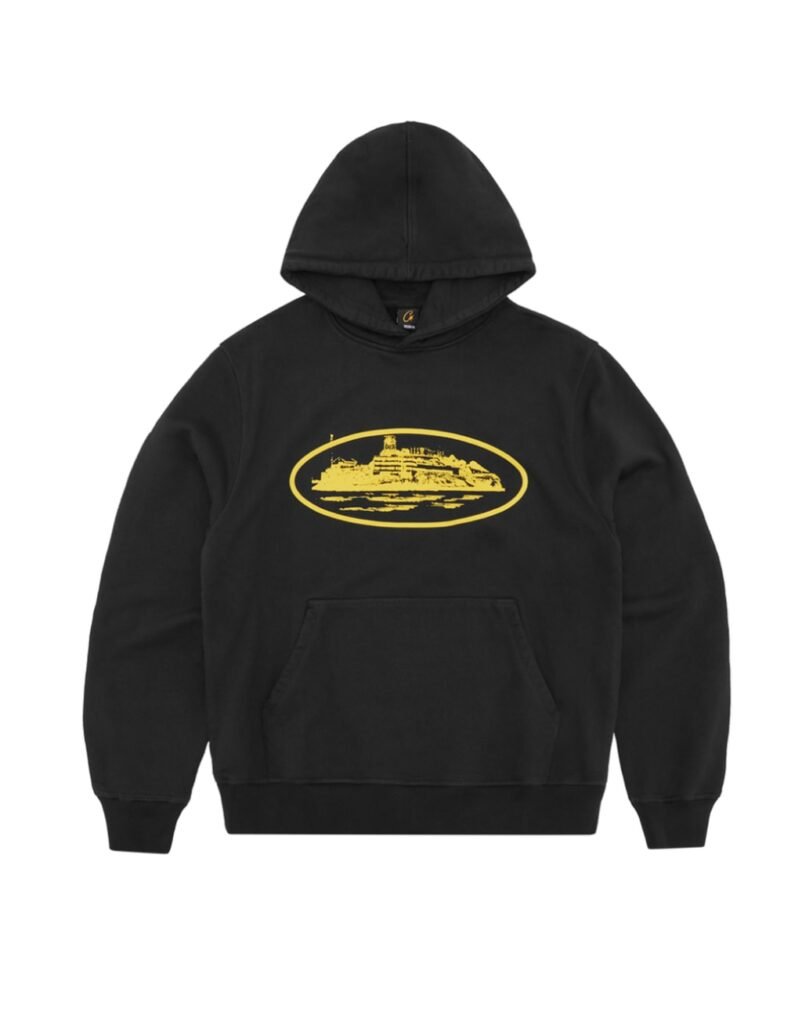
One of the most recognizable features of Corteiz is its Alcatraz logo — the prison island silhouette. At first glance, it might look like just another graphic. But symbols matter in streetwear. They’re like flags planted in cultural soil.
Alcatraz represents rebellion, resistance, and breaking free from the system. And that’s exactly the energy Corteiz channels. The brand pushes against the polished, corporate feel of mainstream fashion. It thrives in chaos, in pop-ups announced last minute, in city-wide scavenger hunts for limited pieces.
You’re not just wearing a hoodie. You’re wearing an attitude.
Why Corteiz Drops Sell Out Instantly
Let’s talk about the elephant in the room: scarcity.
Corteiz mastered the art of the limited drop. When a release goes live, it’s not sitting there for weeks. It’s gone in minutes — sometimes seconds. That urgency creates adrenaline. And in today’s digital world, adrenaline sells.
But here’s the thing: hype without substance fades. Corteiz survives because the quality matches the buzz. Heavyweight hoodies. Clean stitching. Durable cargos. Pieces that feel built, not rushed.
It’s the difference between fast fashion and something that feels intentional. When you put on Corteiz, it doesn’t feel disposable. It feels like armor.
The Power of Community and Guerilla Marketing
Corteiz doesn’t market the way other brands do. You won’t see traditional fashion week runways or giant TV campaigns. Instead, you’ll see spontaneous pop-up events in major cities — London, Paris, New York — announced through cryptic social media posts.
Fans literally run through streets to secure pieces.
Remember when people traded high-end jackets just to get their hands on a Corteiz drop? That wasn’t just marketing. That was cultural theater. The brand turned product launches into experiences.
And experiences create memories. Memories create loyalty.
It’s almost like Corteiz built a secret club — and everyone wants the invite.
Signature Pieces That Define the Brand
While Corteiz offers a variety of items, a few staples define its identity:
- Corteiz Hoodies – Thick, oversized, minimal branding but maximum presence.
- Cargos – Arguably the crown jewel. Tactical, rugged, and street-ready.
- Tracksuits – Clean, coordinated, and effortlessly cool.
- Graphic Tees – Bold yet controlled, often carrying that Alcatraz emblem.
Each piece feels cohesive. There’s a clear design language. No unnecessary noise. Just sharp execution.
You could argue that Corteiz doesn’t chase trends — it sets its own rhythm and lets the culture sync up.
Celebrity Co-Signs and Global Recognition
As the brand grew, major artists and athletes began wearing Corteiz organically. That organic growth is key. It didn’t feel forced or paid. It felt natural — like the culture itself was endorsing it.
And once global attention hit, the brand didn’t water itself down to appeal to everyone. It doubled down on exclusivity.
That’s a risky move. But in streetwear, risk equals authenticity. And authenticity equals longevity.
Corteiz vs. Traditional Streetwear Brands
So how does Corteiz compare to giants in the space?
Traditional streetwear brands often scale quickly, open flagship stores, collaborate endlessly, and flood the market. Corteiz took the opposite route. Fewer drops. Less accessibility. More mystique.
It’s like comparing a members-only underground club to a massive commercial nightclub. Both have music. But one feels personal — almost sacred.
Corteiz leans heavily into culture over commerce. And ironically, that mindset drives even more demand.
Is Corteiz Just Hype — or Here to Stay?
That’s the big question, right? Streetwear can be fickle. What’s hot today can be forgotten tomorrow.
But here’s why Corteiz feels different: it’s rooted in identity, not trend cycles. It’s not trying to please everyone. It’s speaking directly to a specific audience — and that audience feels seen.
Brands built on real community tend to last longer than brands built on algorithms.
Will the hype evolve? Of course. Every brand goes through phases. But the foundation Corteiz has built — loyalty, scarcity, cultural relevance — gives it staying power.
Conclusion: The Movement Behind the Name
At its core, Corteiz isn’t just clothing. It’s a statement. It’s a refusal to conform. It’s a reminder that you don’t need traditional approval to build something powerful.
From password-protected drops to city-wide pop-ups, from the Alcatraz logo to the heavyweight cargos, everything about Corteiz feels intentional. It’s raw but calculated. Exclusive but magnetic.
And maybe that’s the real secret.
In a world where brands scream for attention, Corteiz made people lean in closer.
So the next time you see someone rocking that Alcatraz emblem, ask yourself — are they just wearing streetwear?